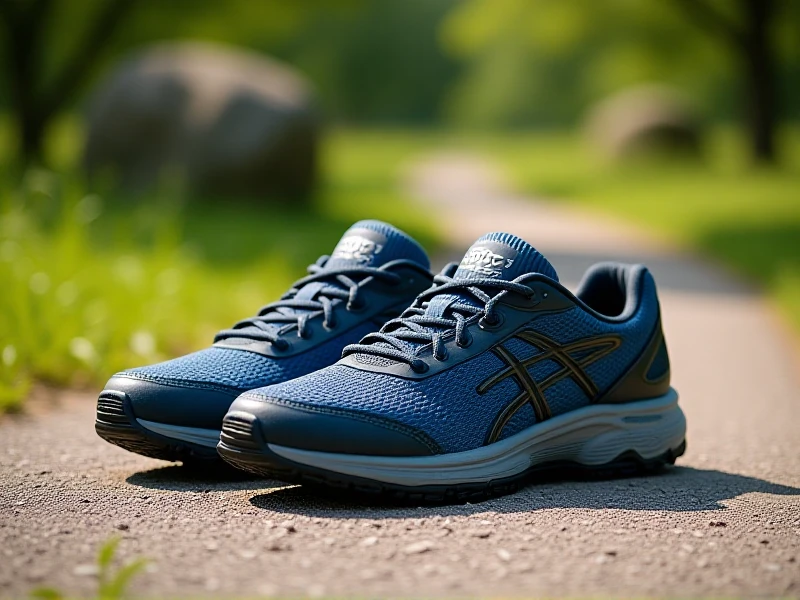
Men's Running Shoes: Finding Your Perfect Fit for Peak Performance
Men's running shoes stand as arguably the most crucial piece of gear for any runner, whether you're training for a marathon, hitting the pavement for fitness, or enjoying a trail adventure. The right pair doesn't just make the run more comfortable; it significantly enhances performance, reduces injury risk, and keeps you motivated mile after mile. With countless styles and technologies on the market, choosing the perfect men's running shoes requires understanding your needs and the shoe's capabilities.
The foundation lies in identifying your running style and pronation (how your foot rolls inward upon landing). Neutral runners typically need cushioned flexibility, those with overpronation benefit from structured stability features and firm posts, while underpronators (supinators) often require extra cushioning for shock absorption. Visiting a reputable specialty running store for gait analysis remains the gold standard for initial advice.
Beyond pronation, consider the terrain. Road men's running shoes prioritize lightweight construction, responsive cushioning to absorb hard-surface impact, and flexible soles for efficient strides on pavement. Trail versions, conversely, emphasize aggressive outsoles with deep lugs for uncompromising grip on mud, rocks, and roots, along with enhanced upper protection from debris and sturdier overall construction.
Cushioning technology continues to evolve dramatically. Brands employ various materials and midsole designs – from traditional durable EVA foam to responsive Pebax, ultra-lightweight boost beads, and proprietary gels or air pockets offering targeted energy return. The choice between highly plush cushioning (ideal for long distances or harder impact) versus a lower profile, more responsive feel (favored by speedsters) is highly personal.
Don't overlook the upper and fit! Modern men's running shoes utilize engineered mesh for a perfect blend of breathability, lightness, and precise foot support. A secure, comfortable heel counter prevents slipping, and the appropriate toe box width ensures no discomfort or blisters during extended runs. Always try shoes on later in the day when feet are slightly swollen, wear running socks, and allow thumb's width of space from your longest toe to the shoe's end. Ensure a snug heel and midfoot without constriction.
Key features differentiating models include heel-toe drop (the height difference from heel to toe, influencing stride mechanics), overall stack height (amount of cushioning), flexibility, and weight. Top brands continuously innovate in these areas.
Ultimately, the best men's running shoes seamlessly blend support, cushioning, fit, and feel specific to your foot and preferred running style. Investing time in selecting the correct pair is an investment in performance, enjoyment, and safeguarding your running journey. Remember to replace them every 300-500 miles as cushioning deteriorates over time, impacting function and injury prevention. Visit specialty running stores, try on multiple contenders, and prioritize how they feel when you run. Your feet and performance will thank you. Explore the ranges offered by renowned athletic brands to discover your ideal running companion.