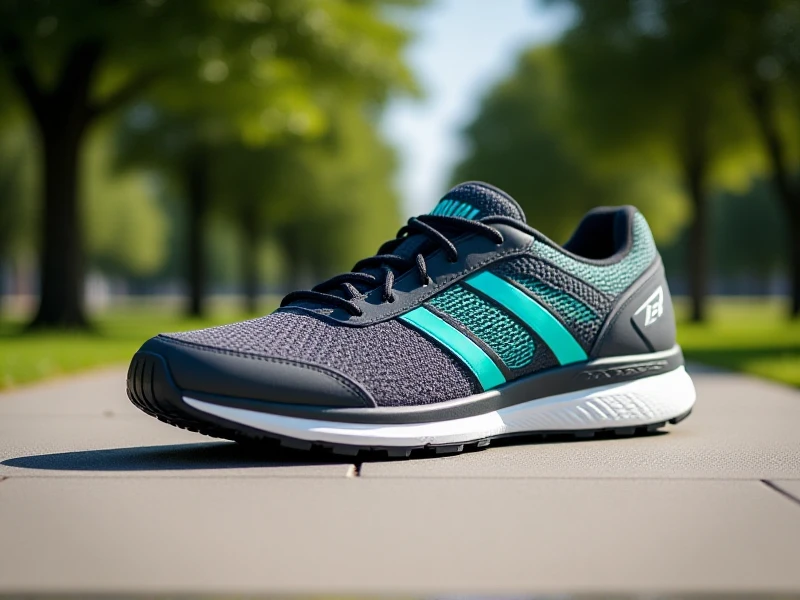
Ultimate Guide to Men's Running Shoes: Find Your Perfect Pair
Okay, here is a complete SEO article optimized for "Men's Running Shoes":
Finding the right pair of men's running shoes isn't just about style; it's crucial for comfort, performance, and preventing injury. With countless options on the market, selecting your perfect pair can feel overwhelming. This guide breaks down the key factors to consider when searching for your next set of trusted mileage companions.
Understand Your Needs First Before diving into brands and styles, honestly assess your running habits:
- Distance: Are you logging high weekly mileage training for a marathon, or tackling shorter, faster runs?
- Terrain: Primarily roads, trails, gym treadmills, or a mix?
- Foot Type & Gait: Understanding your arch height (flat, neutral, or high) and pronation (how your foot rolls inward) is fundamental. Visiting a specialty running store for gait analysis is highly recommended to find shoes offering the correct support or cushioning structure.
Key Features in Men's Running Shoes
- Cushioning: This absorbs impact, protecting joints. Options range from maximal (very soft, plush) for long-distance comfort or impact protection, to minimal (less between you and the ground) for a more natural feel and potentially greater ground feel and agility. Most runners favor moderate cushioning.
- Support & Stability: Crucial for runners who pronate excessively (foot rolls inward too far). Stability shoes incorporate technologies like medial posts or firmer foam densities on the inner side of the midsole to gently correct this motion and promote a more neutral alignment. Neutral shoes suit runners with efficient, neutral mechanics.
- Lightweight Breathability: Weight impacts energy expenditure, especially over distance. Modern men's running shoes utilize lightweight meshes and engineered knits that keep feet cool and dry, significantly enhancing comfort during sweaty runs.
- Traction: Matching the outsole to your terrain is vital. Road shoes have flexible rubber patterns for paved surfaces. Trail shoes feature aggressive, deeper lugs for mud, rocks, and slippery paths.
- Durability: High-mileage runners need durable rubber compounds strategically placed on the outsole (especially the heel and forefoot areas) and robust upper materials that withstand abrasion without sacrificing flexibility.
Popular Categories Worth Exploring
- Daily Trainers: Your versatile workhorses. Balanced cushioning and moderate weight make them ideal for most runs.
- Long Distance/Race Shoes: Often lighter, sometimes with plate technology for propulsion, catering to speed and efficiency in marathons or half marathons (though some high-cushion trainers also excel here).
- Trail Runners: Feature aggressive outsoles for grip, protective rock plates, and often reinforced uppers. Essential for off-road adventures.
- Max Cushion Shoes: Offer supreme softness and impact absorption, popular for longer runs or runners needing more joint protection.
Don't Forget Fit! Always try on men's running shoes later in the day (feet swell slightly) and with your typical running socks. There should be about a thumb's width (roughly half an inch) of space between your longest toe and the end of the shoe. Ensure a secure heel lockdown and adequate width without pressure points.
Investing in Your Run The best men's running shoes feel like an extension of your foot, providing support where needed without hindering your natural motion. Prioritize fit, function over fads, and match the shoe to your specific running routine. Your feet (and your performance) will thank you. Explore trusted brands known for innovation like Nike, Adidas, Brooks, ASICS, New Balance, Hoka, or Saucony to start your search for that perfect pair. Happy running!