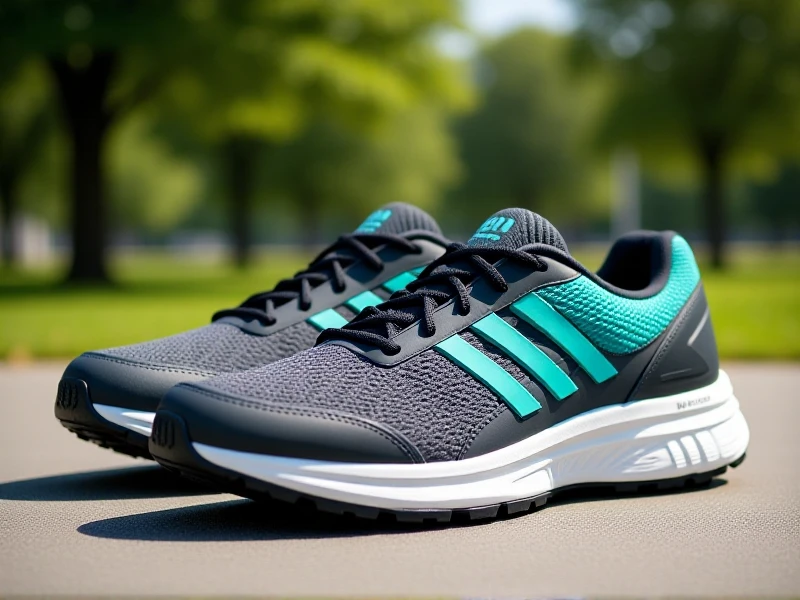
Men's Running Shoes: Finding Your Perfect Fit for Peak Performance
Choosing the right pair of men's running shoes is fundamental, whether you're tackling your first 5K or training for a marathon. The wrong shoes can lead to discomfort, fatigue, or even injury, while the ideal pair feels like an extension of your foot, propelling you forward with comfort and efficiency. Understanding your needs is the first step in finding footwear that supports your goals.
The foundation of men's running shoes lies in their cushioning and support systems. Different runners have varying requirements based on their gait, weight, and even the surfaces they prefer.
- Cushioning Level: Ranging from minimal to maximal, cushioning absorbs impact. Plush cushioning suits longer distances or runners needing extra shock absorption, while lighter cushioning offers a more responsive feel, often preferred for speedwork.
- Support & Stability: Crucial for preventing overpronation (inward rolling of the foot). Look for features like medial posts, firmer heel counters, or specialized foams designed to guide the foot into a more neutral motion. Neutral runners have more flexibility in choosing a stability level.
- Heel-to-Toe Drop: This measures the height difference between the heel and forefoot. Traditional running shoes often have an 8mm-12mm drop, promoting a heel-strike stride. Lower drops (0mm-6mm) encourage a midfoot or forefoot strike. Transition to lower drops gradually if you're new to them.
The design of men's running shoes extends beyond simple cushioning. The midsole geometry influences how efficiently you move. Many modern shoes incorporate designs like rockered soles, engineered to create a smoother heel-to-toe transition, reducing effort and improving your running economy. The flexibility of the forefoot is also vital, allowing your foot to move naturally through the push-off phase. A stiff shoe can hinder your natural gait, while one with the right forefoot bend enhances propulsion.
Finding your perfect fit is non-negotiable. Shoes should feel comfortably snug when laced up – secure without pinching. Ensure ample toe room (about a thumb's width at the end) to account for natural foot swelling during runs. Width is equally important; cramped feet lead to blisters and blackened toenails. Always try shoes on in the afternoon when feet are slightly larger, and wear the socks you typically use for running. We often recommend going a half size larger than your everyday shoe due to this swelling.
Remember, the "best" men's running shoes don't exist – only the best pair for you. Consider your foot type, running style, typical distance, and personal comfort preferences. Investing time in selecting the right shoe is as crucial as the miles you put in. Replace your shoes approximately every 300-500 miles as their cushioning and support degrade, even if the outsole looks fine. Prioritizing the right fit and features ensures your runs are comfortable, efficient, and injury-free.