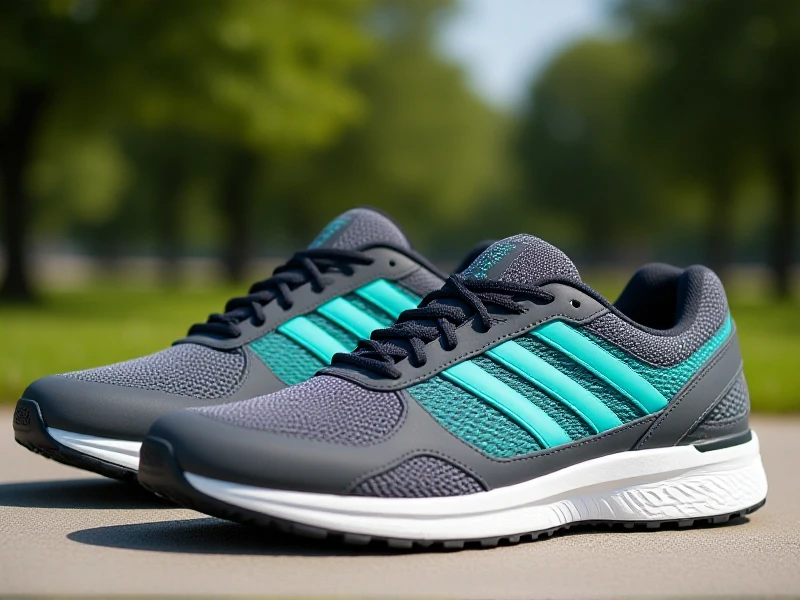
How to Choose the Perfect Pair of Men's Running Shoes for Your Runs
Finding the right Men's Running Shoes is crucial for performance, comfort, and injury prevention. Whether you're tackling long distances, sprinting intervals, or enjoying casual jogs, the correct shoe makes all the difference. With countless options available, selecting the best pair requires understanding a few key factors fit for your specific needs.
-
Understand Your Running Style & Foot Type:
- Pronation: Knowing if you overpronate (foot rolls inward), underpronate/supinate (foot rolls outward), or have a neutral stride is essential. Most manufacturers design shoes offering stability (for overpronation), neutral cushioning, or motion control (significant overpronation). Observing wear patterns on old shoes or getting a gait analysis at a running store can help.
- Running Surface: Are you primarily on roads, trails, or treadmills? Road running shoes prioritize cushioning and smooth transitions on pavement. Trail running shoes feature aggressive outsoles, waterproof options, and more durable uppers for rugged terrain. Treadmill shoes often focus on maximum cushioning.
-
Prioritize Fit & Comfort:
- Essential Tip: Always try on men's running shoes later in the day when feet are naturally slightly swollen, similar to during a run.
- Space Matters: Ensure ample room (about a thumb's width) between your longest toe and the shoe's end. Wiggle room for toes prevents blisters and black toenails.
- Heel & Midfoot: Heel should fit snugly without slipping. The midfoot (arch area) should feel secure and supportive, not restrictive or pinching.
- Width: Don't compromise on width. Brands offer varying widths to accommodate all foot shapes. A well-fitting running shoe feels comfortable from the first step.
-
Consider Key Features:
- Cushioning Level: Preferences vary. Some runners enjoy maximal cushioning for plush comfort (ideal for long distances or impact reduction), others prefer minimal cushioning for ground feel and lightness (often favored by speed-focused runners). Moderate cushioning offers a versatile balance.
- Drop (Heel-To-Toe Offset): This is the height difference between heel and forefoot. Traditional drops (8-12mm) often aid heel-strikers. Lower drops (0-6mm) promote a more midfoot/forefoot strike but require adaptation. Choose based on your running mechanics and preference.
- Weight: Lighter running shoes benefit speed and race days. Slightly heavier shoes (for men) often offer more durability and protection for daily training.
-
Importance of Freshness & Tech: Modern men's running shoes utilize advanced materials and technologies. Look into midsoles like EVA foam, Polyurethane, TPU (commonly seen in popular forms like Nike Air Zoom, Adidas Boost, Saucony PWRRUN), and cutting-edge superfoams (Nike ZoomX, Adidas Lightstrike Pro, Puma Nitro Elite) for enhanced energy return and reduced weight. Breathable mesh uppers and durable outsoles also contribute significantly to experience and longevity.
The Verdict: Don't rush your purchase. The absolute best Men's Running Shoes are the pair that fits you perfectly, supports your running style, and feels comfortable over your chosen distance and terrain. Visit a dedicated running store for expert advice and gait analysis. Remember to replace your running shoes every 300-500 miles as cushioning deteriorates, impacting support. Investing time in finding your ideal pair pays off in enhanced performance and miles of enjoyable running.