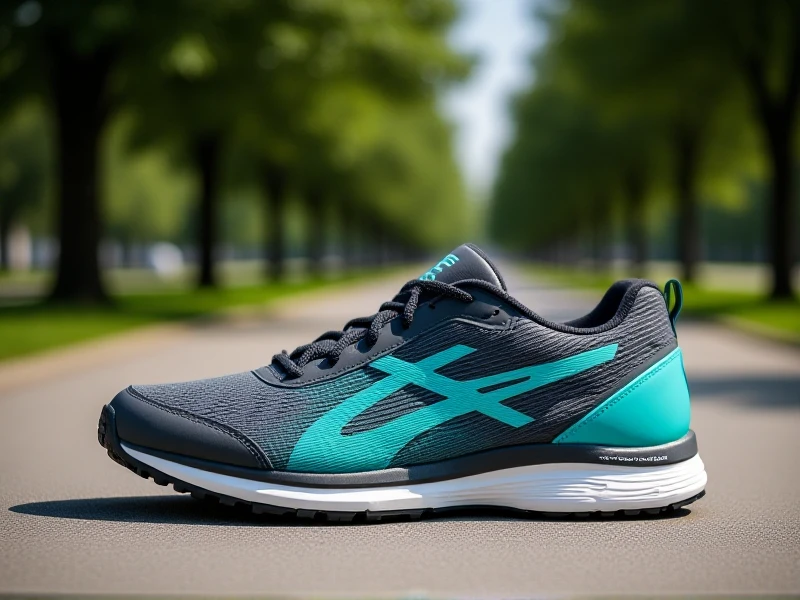
Your Guide to Choosing the Best Men's Running Shoes
Finding the perfect men's running shoes significantly impacts performance and comfort. With countless options, understanding key features helps runners select footwear that matches their stride and terrain.
Anatomy Matters
Modern running shoes integrate specialized components:
- Cushioning: Responsive midsoles absorb impact using materials like EVA foam or proprietary tech from top brands
- Support: Stability shoes include medial posts for overpronators, while neutral designs suit natural gaits
- Outsoles: Durable rubber patterns vary - aggressive treads for trails vs. smooth designs for roads
- Upper Materials: Engineered mesh balances breathability with lockdown security
Choosing Your Ideal Pair
Match your shoe to running style:
- Foot Strike: Heel strikers need maximum heel cushioning; midfoot strikers thrive in flexible designs
- Distance Focus: Marathon runners require ample soft foam, while speedwork benefits from lighter racing flats
- Terrain Adaptation: Road runners prioritize road traction; trail enthusiasts need waterproof GTX versions and rock plates
- Fit Essentials: Always allow thumbnail-length space beyond toes and test shoes with running socks
Maintenance & Rotation
Extend durability by:
- Rotating between two pairs to allow midsole recovery
- Cleaning with gentle soap after muddy runs
- Replacing every 300-500 miles before cushioning degrades
Top brands like Brooks, Nike, and ASICS continuously innovate features like carbon plates and sustainable materials. Ultimately, the best men's running shoes feel secure yet springy during test runs—trust that "perfect fit" sensation over specs alone. Prioritize comfort, and you'll run stronger, longer, and injury-free.
2026-02-20