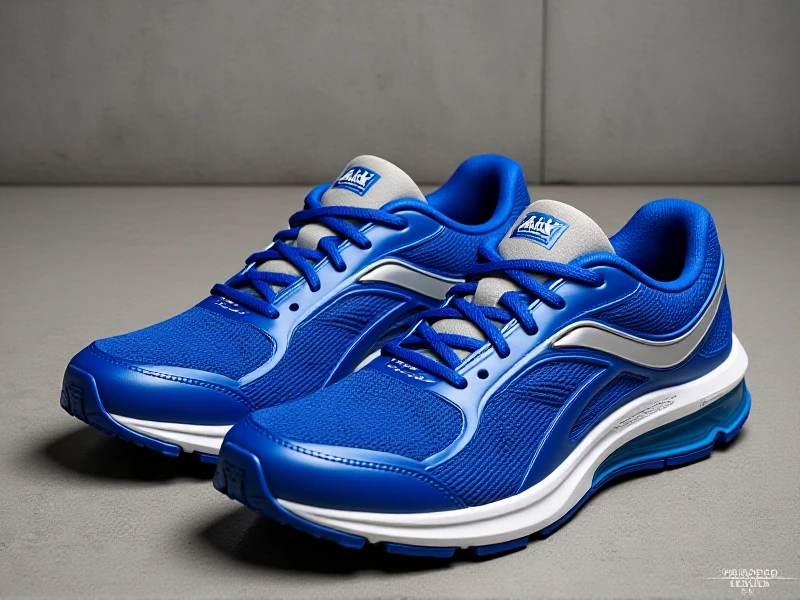
Finding Your Perfect Pair: The Ultimate Guide to Men's Running Shoes
SEO Article: Men's Running Shoes
Finding the right Men's Running Shoes is crucial for comfort, performance, and injury prevention. Whether you’re training for a marathon or enjoy a daily jog, the correct footwear makes all the difference in your running experience. This guide explores what to look for when selecting your next pair.
First, understand your running style and needs. Are you logging long distances on roads, hitting the trails, or focusing on speedwork? Men's Running Shoes are often categorized by their intended use:
- Road Running Shoes: Designed for pavement, offering cushioning and stability on hard surfaces.
- Trail Running Shoes: Feature aggressive outsoles for grip, enhanced protection, and durability on uneven terrain.
- Racing Flats: Lightweight and responsive for competition days.
- Training Shoes: Offer versatile support and cushioning for daily runs and workouts.
Don't overlook the importance of fit and support. Your foot arch (high, neutral, or flat) dictates the level of stability or motion control required. Visit a specialty running store for a professional gait analysis if possible. Ill-fitting Men's Running Shoes can lead to blisters, plantar fasciitis, shin splints, and other common running injuries. Ensure there's adequate room (about a thumb's width) between your longest toe and the shoe's end.
The midsole is the heart of a running shoe. This is where cushioning and responsiveness technologies shine. Common materials include:
- EVA Foam: Lightweight, flexible, and commonly used for cushioning.
- PU (Polyurethane): More durable and supportive than EVA, often denser.
- Modern Innovations: Brands utilize proprietary foams (like Adidas Boost, Nike React, Puma Nitro) offering superior energy return and long-lasting cushion. Carbon fiber plates integrated into midsoles provide a propulsive effect for race days.
Breathable uppers (mesh is standard) keep feet cool and dry. Reflective elements are essential for safety during low-light runs. Outsoles primarily use rubber for durability and traction; specific patterns (lugs) are vital for trail shoes.
Remember to replace your Men's Running Shoes regularly. Most shoes provide optimal support and cushioning for 300-500 miles. Beyond this point, worn-down cushioning significantly increases injury risk.
Investing time in finding the right Men's Running Shoes tailored to your body mechanics, running terrain, and goals is fundamental. Proper shoes enhance your comfort, boost performance, and support a long, healthy running journey. Explore top brands and technologies to find your perfect match. Step into high performance – discover your ideal pair today. Always check recent innovations for updated features!